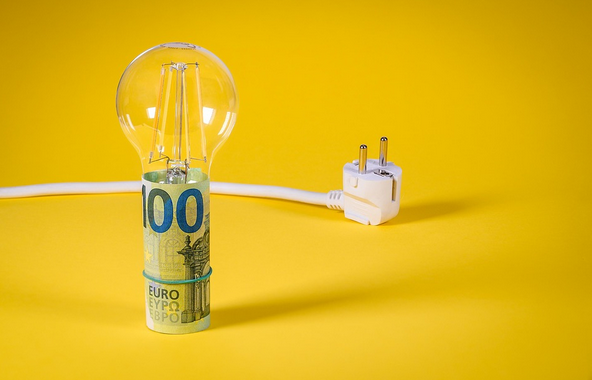
Optimizing home energy use has become increasingly important as electricity costs continue to rise and environmental awareness grows. Thankfully, modern technology offers an array of tools that can help homeowners reduce energy consumption while maintaining comfort and convenience. From smart thermostats to advanced energy monitoring systems, there are numerous ways to take control of your household energy usage. For residents in Texas, especially those considering options for local providers, you can check out Fort Worth electricity companies. Complement these technological solutions by identifying competitive rates that align with energy-saving efforts. Here are the top ways technology can help optimize home energy consumption effectively:
Smart Thermostats: Precision Temperature Control
Smart thermostats are on of the most effective tools for reducing energy waste in homes. Unlike traditional thermostats, these devices learn your daily routines, adjusting temperature settings automatically for optimal comfort and efficiency. For example, when you leave for work, a smart thermostat can lower heating or cooling, then return to your preferred settings before you arrive home. Many models also allow remote control through smartphone apps, providing real-time adjustments no matter where you are. By minimizing unnecessary heating or cooling, households can save significantly on monthly electricity bills, making smart thermostats a practical investment in energy optimization.
Energy Monitoring Devices: Real-Time Insights
Understanding exactly where energy is being used is essential for efficient consumption. Energy monitoring devices provide real-time data on electricity usage for individual appliances or your entire home. Some advanced systems integrate with mobile apps, offering detailed reports, usage trends, and alerts for unusually high consumption. This level of insight allows homeowners to pinpoint inefficiencies, such as appliances left on standby or excessive heating during nighttime hours. Using this information, families can make informed decisions that reduce unnecessary energy expenditure while maintaining daily comfort.
Automated Lighting Systems: Reduce Waste
 Lighting accounts for a substantial part of household energy use. Modern automated lighting systems, including motion sensors, dimmers, and smart bulbs, can drastically reduce electricity consumption. Motion sensors ensure lights are active only when needed, while dimmers adjust brightness based on ambient light or preference. Smart bulbs can also be programmed on schedules or controlled remotely via apps, providing flexibility and convenience. By combining automation with energy-efficient LED technology, homeowners can decrease lighting-related energy costs without compromising illumination quality.
Smart Appliances: Efficiency at Its Core
Technological advancements have made home appliances more energy-efficient than ever before. Smart refrigerators, washing machines, dishwashers, and ovens come equipped with features that optimize energy use, such as eco-modes, load sensors, and programmable cycles. These appliances consume electricity only as required, preventing wasteful operation. For instance, a smart dishwasher may adjust water and energy use based on the quantity of dishes. At the same time, a connected washing machine can operate during off-peak hours to benefit from lower rates offered by certain utility plans. Integrating smart appliances with energy management systems enhances efficiency across the home.
Solar Panels and Home Energy Storage: Sustainable Power
Incorporating renewable energy technology, such as solar panels and home battery storage, can provide long-term energy savings. Solar panels generate power or electricity from the sun, lessening the reliance on the grid and lowering bills. When paired with home batteries, excess energy that you can store for use during peak demand periods or nighttime hours, minimizing the need for expensive grid electricity. Additionally, some solar systems can communicate with smart home devices to optimize energy use further, coordinating appliance operation with available solar generation. While the initial investment may be substantial, the long-term financial and environmental benefits are compelling.
Technology has transformed the way homeowners manage energy consumption, offering tools that enhance control, convenience, and cost savings. From smart thermostats and automated lighting systems to energy monitoring devices, smart appliances, and renewable energy solutions, these innovations empower families to reduce Waste while maintaining comfort. Pairing technological solutions with informed electricity plan decisions maximizes efficiency and can substantially lower monthly bills. By adopting these approaches, homeowners can create an energy-conscious household that balances sustainability, cost savings, and modern living standards, making the management of home energy simpler and more effective than ever.